How long are commercial solar roof leases, and what do they cover?
Published 7 October 2026 · SEO Dons Editorial
Editorial standards: figures are cross-checked against gov.uk capital-allowances guidance and Ofgem Smart Export Guarantee rates, and updated as rules change. We are independent, so no funder relationship influences these comparisons. General information, not financial or tax advice, confirm your position with your accountant.
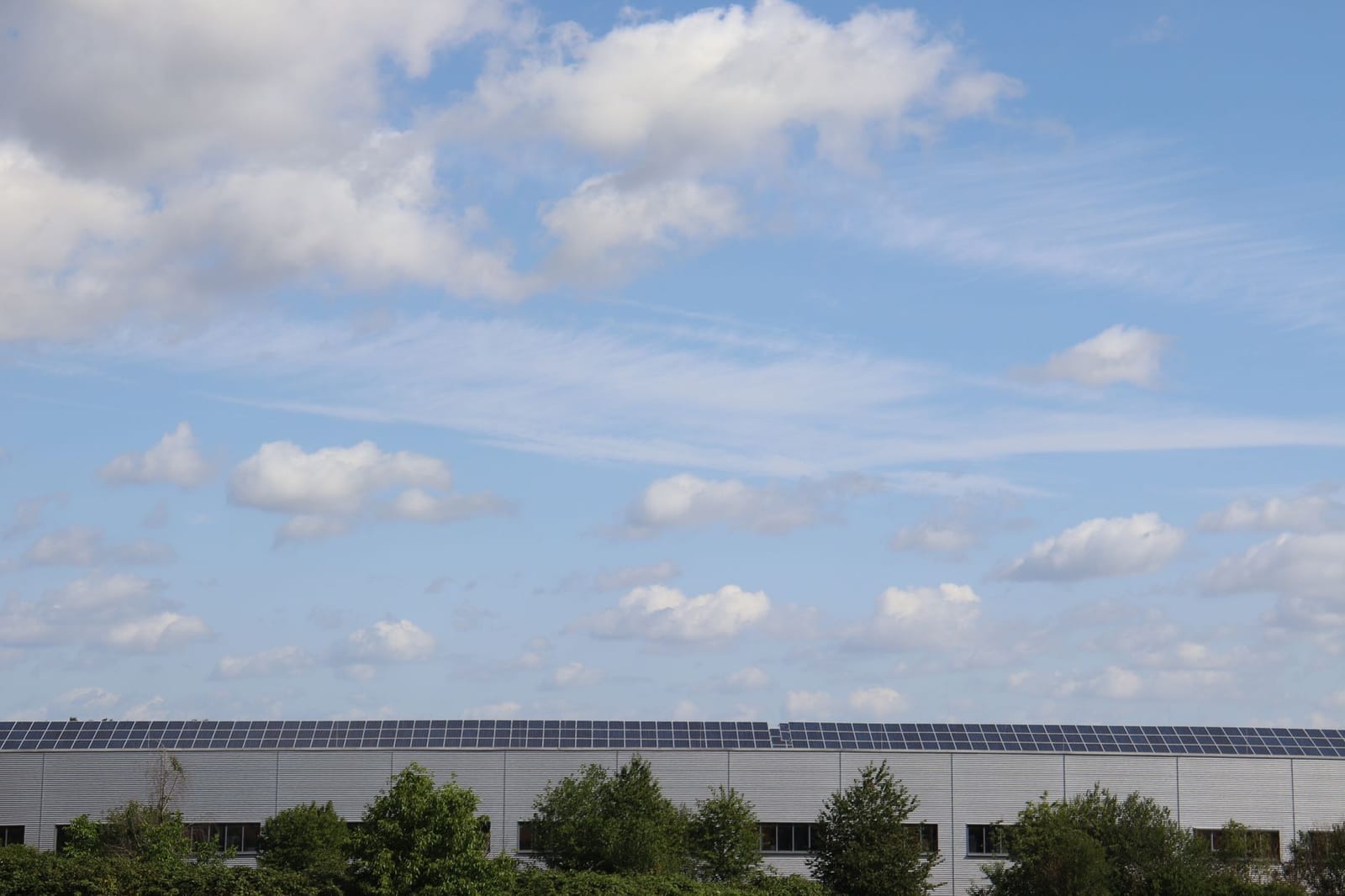
If you are weighing up whether to rent your roof for solar panels, the lease is the document that will outlast everyone who negotiates it. It binds your building for the whole term, it goes on your title, and it decides what happens when the roof leaks, the building is sold or the developer fails. This guide answers the two questions a host business asks first, how long these leases run and what they cover, and sets out the heads of terms to expect. It is general information, not legal advice: a lease like this needs a property solicitor acting for you.
How long is a commercial solar roof lease?
No law fixes the term. It is negotiated, and three things push it out.
- The developer’s payback. The developer pays for the system and recovers its money from the electricity it sells you or exports, so it needs a term long enough to earn that back with a return.
- The life of the equipment. The Energy Saving Trust says solar panels “should last 25 years or more”, although inverters need replacing after around 12 years. A developer will want the term to use as much of that life as it can.
- The life of your roof. The term only works if the roof underneath will last as long, or if the lease deals with re-roofing part way through.
Public-sector examples give a sense of scale. When the Department for Education reviewed several school solar deals, it warned that “A 20 to 25-year agreement is a long-term arrangement” in which the school “is effectively locked into a long-term deal”. East Sussex County Council says that, as freeholder of maintained school sites, it is required to sign a 25-year lease of the roof space with the third-party provider. Those are examples, not a market rate. A business host can negotiate a shorter fixed term, break rights or an option to extend.
Two legal lines matter when you pick a number. A lease granted out of a registered title for a term of more than seven years must be completed by registration at HM Land Registry, and it “does not operate at law” until it is (Land Registration Act 2002, section 27). A lease of seven years or less is not registered but still binds a buyer as an overriding interest. If the term is longer than seven years, plan for registration and the costs that go with it.
The heads of terms a host should expect
Heads of terms are the short summary of the deal that the solicitors turn into the lease. For a solar roof lease, expect these headings.
1. What is being let
The lease will let the roof, part of it, or the airspace just above it, together with rights: to install and keep the equipment there, to run cables through your building, to house inverters and switchgear, to connect into your electrical installation, and to come on site. The extent must be shown on a plan. HM Land Registry says it “increasingly receives applications to register airspace, roof-space, tunnels and so on”, and that a plan is invariably required. Check that the cable routes and access rights fit the way you use the building, and keep secure areas out of them.
2. Term, start date and conditions
Check when the term starts, whether it is linked to the date the system is commissioned, and what happens if the developer cannot secure a grid connection, planning prior approval or funding. Generation above 3.68kW per phase falls under Engineering Recommendation G99, and the application goes to the local network operator, so a condition tied to the connection protects both sides. In England, rooftop systems above 50kW on buildings other than homes need a prior approval application on design and glare before work starts.
3. Rent and rent review
The rent may be a fixed sum, an amount per kilowatt-peak installed, a share of revenue, or a nominal amount where your return comes from cheaper electricity under a power purchase agreement. Ask how it is reviewed: fixed, stepped or linked to an index. If you also buy the power, the PPA price path matters as much as the rent. The Department for Education’s review found school tariffs that rose every year with RPI, where “Increases are compounded year on year”, and noted that schools had no protection if grid prices fell below the solar tariff.
4. Roof repairs, access and lift-and-relay
This clause decides how your roof is looked after for the whole term. The roof under the panels still needs maintaining, so agree the notice you must give, who removes and refits the panels when the roof needs work, who pays, and whether you owe the developer for generation lost while the panels are off. The Department for Education asks the same question of school deals: “Who moves the panels for roof repairs and at whose cost?” Check, too, whether fixing panels affects an existing roof guarantee. If you are a tenant yourself, remember that most commercial leases place repairing obligations on the tenant, which the government’s Solar Roadmap identifies as a barrier to rooftop solar.
5. Maintenance, insurance and indemnities
The developer should maintain, repair and insure its equipment and hold liability cover for work on your site. In the government’s description of the model for schools, the provider “retains responsibility for maintenance and performance throughout the agreement”. You keep insuring the building, so tell your insurer before installation. The lease should make the developer liable for damage it causes, and say who carries the risk if the system damages the building or interrupts your business.
6. Break rights, default and the developer’s failure
Look at how either side can end the lease early and what it costs. The Department for Education found schools “offered limited termination options”, where ending the deal meant the school “must buy the equipment or make a compensation payment”. Ask what happens if the developer defaults, sells the project or becomes insolvent, and who you would deal with then. Ofgem’s experience of home schemes is that installations were sometimes “sold between companies, especially when companies go out of business”, and the change was not always communicated to the homeowner.
7. Removal and reinstatement at the end
The lease should say what happens to the system when the term ends: removal by the developer at its cost with the roof made good, transfer to you, or a new agreement. The Department for Education’s view for schools is that the choice should be the host’s: if it does not want the system, “the provider should remove it, meet the cost of doing so and make good any damage caused during removal”. In England, panels installed under the Class J permitted development right must also be removed as soon as reasonably practicable when no longer needed. If you might keep the system, agree now how any price will be set and what will remain of the panel and inverter warranties.
8. Assignment, and selling your building
Expect the developer to want to assign the lease to its funders or to a buyer of the project. If the lease lets it do so only with your consent, the Landlord and Tenant Act 1927 implies that your consent “is not to be unreasonably withheld”. On your side, a registered lease passes with the building: once it is registered, the registrar must also enter a notice of it on your title, and a buyer takes the building subject to it. When you sell, you can apply to be released from the landlord covenants under the Landlord and Tenant (Covenants) Act 1995 by serving notice on the tenant before the sale or within four weeks of it. Any PPA is a separate contract with your business, so check whether it can be transferred to a buyer.
9. Registration and the paperwork it needs
Since 19 June 2006, a lease out of a registered title that must be registered has had to contain HM Land Registry’s prescribed clauses. If your building is unregistered, a lease of more than seven years triggers first registration, which must be applied for within two months, and the application needs, among other things, the original lease and evidence that Stamp Duty Land Tax or Land Transaction Tax requirements have been met. Agree in the heads of terms who registers the lease and who pays.
10. Security of tenure
If Part II of the Landlord and Tenant Act 1954 applies, the lease “shall not come to an end unless terminated in accordance with” the Act, and the tenant can apply to the court for a new tenancy. The parties can agree before the grant to exclude those provisions, but the agreement is void unless the statutory notice procedure is followed. The Department for Education expects school roof leases to be excluded from the security of tenure provisions, and a business host has the same reason to ask: it wants its roof back when the term ends.
11. Your own lease and your mortgage
You can only grant what you hold. If you are a tenant, check that your lease includes the roof, that your remaining term will outlast the solar lease, and that you have your landlord’s consent; see whether a tenant can install solar panels. If the building is mortgaged, the statutory power to grant leases of mortgaged land applies only so far as the mortgage deed does not exclude it, so get your lender’s consent in writing before you sign.
12. Tax and business rates
Because the developer pays for the panels and holds a lease of your roof, it is the party that can claim the capital allowances: for the fixtures rules, a lease counts as an interest in land, and a person who pays for a fixture while holding such an interest is treated as its owner. See who claims capital allowances on solar panels for the detail. On business rates, the Valuation Office Agency’s rating manual says plant over 10kW whose power is wholly or mainly exported “will normally constitute a separate hereditament”, and it treats electricity sold to a third-party host as export, so the lease should say the developer pays any rates on the system.
Heads of terms at a glance
| Head of term | What to ask for |
|---|---|
| Term | A length that fits the roof’s remaining life and your plans for the building, with break rights or an option to extend |
| Rent and price | Clear review terms; for any PPA, a price path you can model and payment only for electricity you use |
| Repairs and access | Lift-and-relay with an agreed split of costs, notice periods and limits on claims for lost generation |
| Insurance and indemnities | The developer insures its equipment and answers for damage it causes; your insurer is told before work starts |
| Exit and default | Break rights both ways, a known cost of early exit, and a plan if the developer fails |
| End of term | Your choice of removal at the developer’s cost with the roof made good, or transfer on agreed terms |
| Assignment and sale | Controls on who can take over the lease, a transferable PPA, and release when you sell |
| Registration | Prescribed clauses, a clear plan, and agreement on who registers and pays |
| Security of tenure | A lease excluded from the 1954 Act |
| Rates | Any rates on the system paid by the developer |
The lease only makes sense if the overall deal does. Compare the rent and the power price with owning the system yourself on the finance options compared page, and if owning is realistic, request a costed quote for the same roof so you have a benchmark to negotiate against.
Questions business owners ask
How long is a typical commercial solar roof lease?
There is no fixed length; it is negotiated around the developer’s payback, the life of the panels and the life of your roof. The Energy Saving Trust says panels should last 25 years or more. A Department for Education review of school deals flagged 20 to 25-year agreements, and East Sussex County Council is required to sign 25-year leases of school roofs. A lease of more than seven years must be registered.
Does a solar roof lease have to be registered at HM Land Registry?
Yes, if it is granted out of a registered title for more than seven years: it must be completed by registration and does not operate at law until it is. Since 19 June 2006 such leases have had to contain the prescribed clauses, and a roof lease needs a plan. A lease of seven years or less is not registered but still binds a buyer as an overriding interest.
Who pays to move the panels when the roof needs repairing?
Whoever the lease says, so settle it in the heads of terms. Agree the notice you must give, who removes and refits the panels, who pays, and whether you owe the developer for generation lost while they are off. The Department for Education asks the same question of school deals, and it is also worth checking whether fixing panels affects an existing roof guarantee.
What happens to the panels when the lease ends?
The lease decides: removal by the developer with the roof made good, transfer to you, or a new agreement. The Department for Education’s view for schools is that the host should choose, and that if it does not want the system the provider should remove it, meet the cost and make good any damage. In England, panels installed under Class J must also be removed when no longer needed.
Can I sell a building that has a solar roof lease on it?
Yes. A registered lease passes with the building: a notice goes on your title and the buyer takes subject to it. You can apply to be released from the landlord covenants by serving notice on the tenant before the sale or within four weeks of it. Any PPA is a separate contract with your business, so check whether it can be transferred to the buyer.
Should a solar roof lease be excluded from the Landlord and Tenant Act 1954?
It is in the host’s interest, because it wants the roof back when the term ends. Where Part II applies, the lease does not end unless terminated under the Act and the tenant can apply for a new tenancy. The parties can agree before the grant to exclude those provisions, but only by following the statutory notice procedure. The Department for Education expects school roof leases to be excluded.
Related guides
Ready to move from theory to real numbers?
Free to use, no obligation
- 1. Tell us about the building, its electricity spend and how you would like to fund it.
- 2. We reply by email with the funding routes worth comparing for your building.
- 3. You decide. There is no obligation, and the routes compared on this site help you check any quote.
- Every route compared
- No upfront options
- No obligation
- Free to use