Worked example: 48 kWp on a green business loan for an engineering firm
Illustrative scenario · assumed location: Coventry, West Midlands
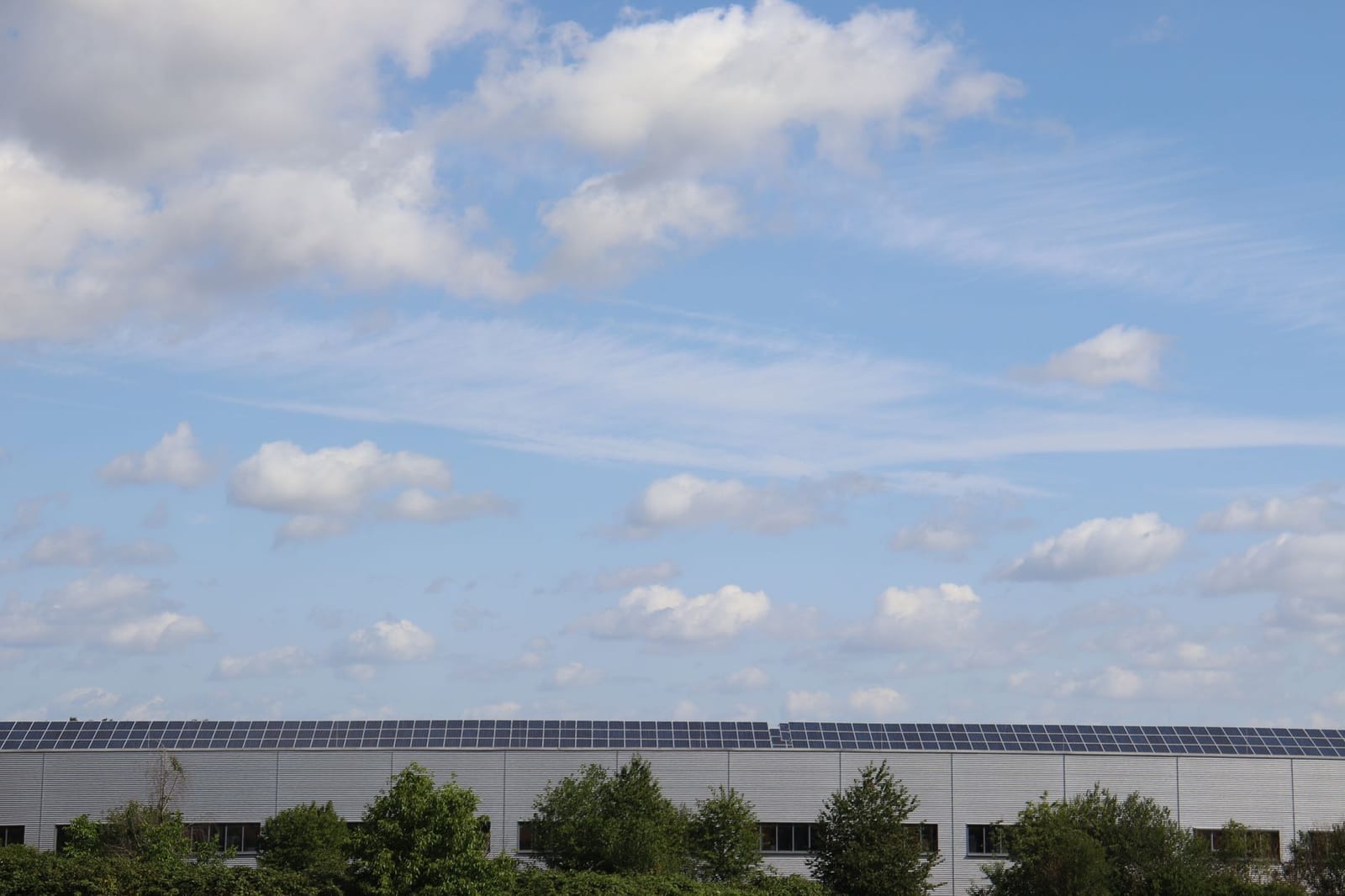
In this scenario a family-owned precision-engineering business running CNC machinery on a single-shift daytime pattern wants solar but will not tie up cash it needs for tooling, materials and the occasional new machine. It funds a 48 kWp rooftop system with a seven-year green business loan, owning the system from day one and repaying the loan from the energy it saves. The business is hypothetical and the figures are modelled assumptions that explain the method.
The funding structure
The firm takes a green business loan that funds the whole installed cost, buys the system outright and owns it from commissioning. Because it owns the asset it keeps all the savings, the export income and the full first-year capital allowance, while the loan interest is separately deductible. Green loan pricing varies by lender, so a borrower should compare the total cost of a green loan with a standard business loan before signing.
The model uses an assumed installed cost of about £850 per kWp, which puts the 48 kWp system at roughly £40,800 before VAT, and the VAT-registered business reclaims the VAT on its normal return. Repaid over seven years at an indicative finance rate reflecting the 2026 base rate plus a margin, the loan costs about £6,900 a year in principal and interest.
The numbers
The model assumes the system generates around 45,600 kWh a year. With machining concentrated in daylight hours, the scenario sets self-consumption at about 72%, so roughly 32,800 kWh is used on site. Those units displace grid power at an assumed grid price of 28p a unit, worth about £9,180 a year. The remaining 12,800 kWh is exported at an assumed export rate of 8p (Smart Export Guarantee tariffs vary by supplier), adding about £1,024. Together that is a gross annual benefit of about £10,200 in the model.
Set the roughly £6,900 of annual loan repayments against that £10,200 of benefit and the project runs about £3,300 a year cash-positive from the first year, before counting tax relief at all. On top of that, the full cost falls under the £1m Annual Investment Allowance, so the firm claims 100% first-year relief. Assuming corporation tax at 25%, that relief is worth roughly £10,200 against its year-one tax bill, which brings the net cost down to about £30,600. Measured the simple way, that net cost divided by the gross annual benefit gives a payback of about 3.0 years, or about 4.0 years against the full pre-relief cost of £40,800. Neither figure counts the interest on the loan, which adds to the total repaid over the seven years, so the cashflow comparison above is the better guide to whether the loan pays its way.
Once the loan clears after seven years the repayments stop entirely, the finance cost falls away, and the full saving flows to the bottom line for the remaining fifteen years and more of the system’s life.
Why this route suits this scenario
This owner wants two things that can pull against each other: full ownership with all the tax relief, and no drain on the working capital the workshop lives on. A green loan can deliver both. Because the loan in this scenario sits separately from the solar asset, the system itself carries no finance strings, which keeps things clean if the business later refinances or sells the site. And because the modelled annual saving comfortably clears the annual repayment, the project pays for itself as it goes rather than costing money in the early years. For a business with a strong daytime load, a healthy balance sheet and a preference for keeping its cash working elsewhere, borrowing to own is often the sharpest route of all, provided the loan on offer still stands up once its total cost is compared with the alternatives.
Model this against your own electricity spend in the finance calculator, then get costed quotes when you are ready.
Want figures for your own building? Model it in the finance calculator, see which reliefs apply on the grants & funding hub, then get costed quotes.