Worked example: an office buys 30 kWp outright with year-one AIA relief
Illustrative scenario · assumed location: Reading, Berkshire
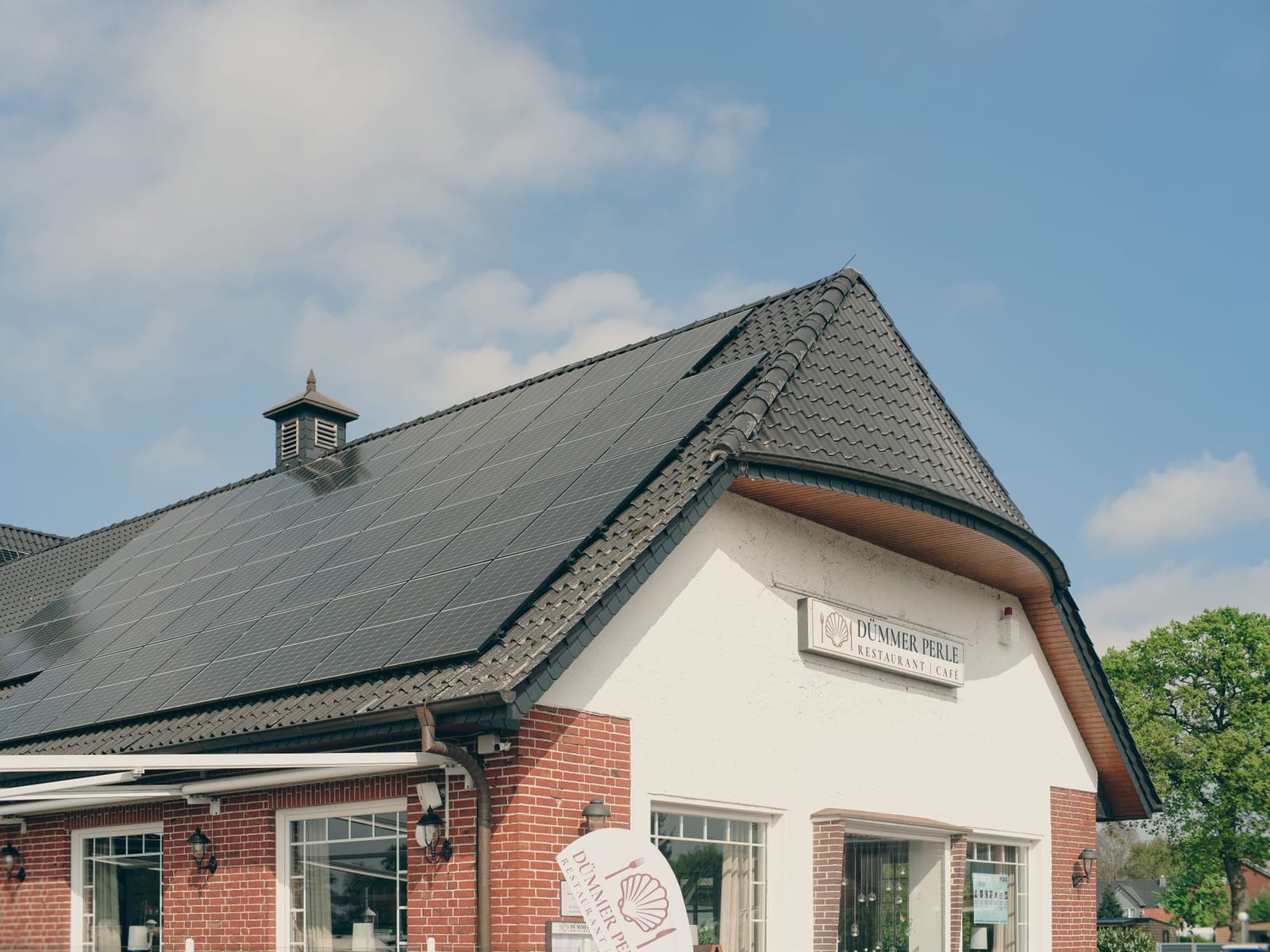
In this scenario a well-capitalised professional-services firm occupying its own three-storey office wants to cut a rising electricity bill and put idle cash reserves to better use than the near-nothing they earn on deposit. It has a strong daytime load from lighting, servers, air conditioning and a busy open-plan floor, and no plans to move building, so the model tests buying the system outright. The firm, the building and the figures are illustrative assumptions rather than a record of a real installation.
The funding structure
The firm pays the full installed cost of a 30 kWp rooftop system from its own reserves and owns the asset from the day it is commissioned. As a VAT-registered business it reclaims the 20% input VAT through its normal return, so the effective outlay is the ex-VAT price. Because it buys outright there is no lender, no interest and no finance term to manage.
The model uses an assumed installed cost of about £850 per kWp, an indicative 2026 figure, which puts the 30 kWp system at roughly £25,500 before VAT. There is no monthly payment to weigh against the saving here, so the decision rests on one question: does the return on that cash beat the return on the next best use of it?
The numbers
The model places the office in the South East and assumes the system generates about 28,500 kWh a year. With the office occupied through the working day, the scenario sets self-consumption near the top of the range at about 75%, so roughly 21,400 kWh is used on site. Those units displace grid power at an assumed grid price of 28p a unit, worth about £5,990 a year. The remaining 7,100 kWh is exported at an assumed export rate of 8p (Smart Export Guarantee tariffs vary by supplier), adding about £568. Together that is a gross annual benefit of about £6,600 in the model.
On the tax side, the whole cost falls comfortably under the £1m Annual Investment Allowance cap, so the firm claims 100% first-year relief on the qualifying spend. Assuming it pays corporation tax at 25%, that relief is worth roughly £6,400 against its tax bill in year one, cutting the net cost of the system to about £19,100 once the AIA relief and the VAT reclaim are counted.
Against that reduced net cost, a gross benefit of about £6,600 a year gives a simple payback of about 2.9 years, or about 3.9 years measured against the full pre-relief price of £25,500. From then on the system keeps generating for two decades or more with no finance cost attached, and in the model every unit it produces goes straight to the bottom line.
Why this route suits this scenario
Buying outright is the most expensive route on day one and the cheapest over the system’s life, and it only makes sense when a business has cash it can spare without starving the rest of the operation. The firm in this scenario can. It has reserves earning very little, a settled building it expects to hold for the long term, and a tax bill large enough to absorb the year-one allowance in full. Ownership means it keeps every pound of saving, all the export income and the entire capital allowance, with no lender margin quietly eroding the return. For a cash-comfortable owner who wants the maximum lifetime return and has no better use for the money, no route beats it, although a real business should run the same test on its own bills and on the quotes it actually receives.
Model this against your own electricity spend in the finance calculator, then get costed quotes when you are ready.
Want figures for your own building? Model it in the finance calculator, see which reliefs apply on the grants & funding hub, then get costed quotes.