Solar PPA Explained for Business: How It Works in 2026
Updated 1 July 2026 · SEO Dons Editorial
Editorial standards: figures are cross-checked against gov.uk capital-allowances guidance and Ofgem Smart Export Guarantee rates, and updated as rules change. We are independent, so no funder relationship influences these comparisons. General information, not financial or tax advice, confirm your position with your accountant.
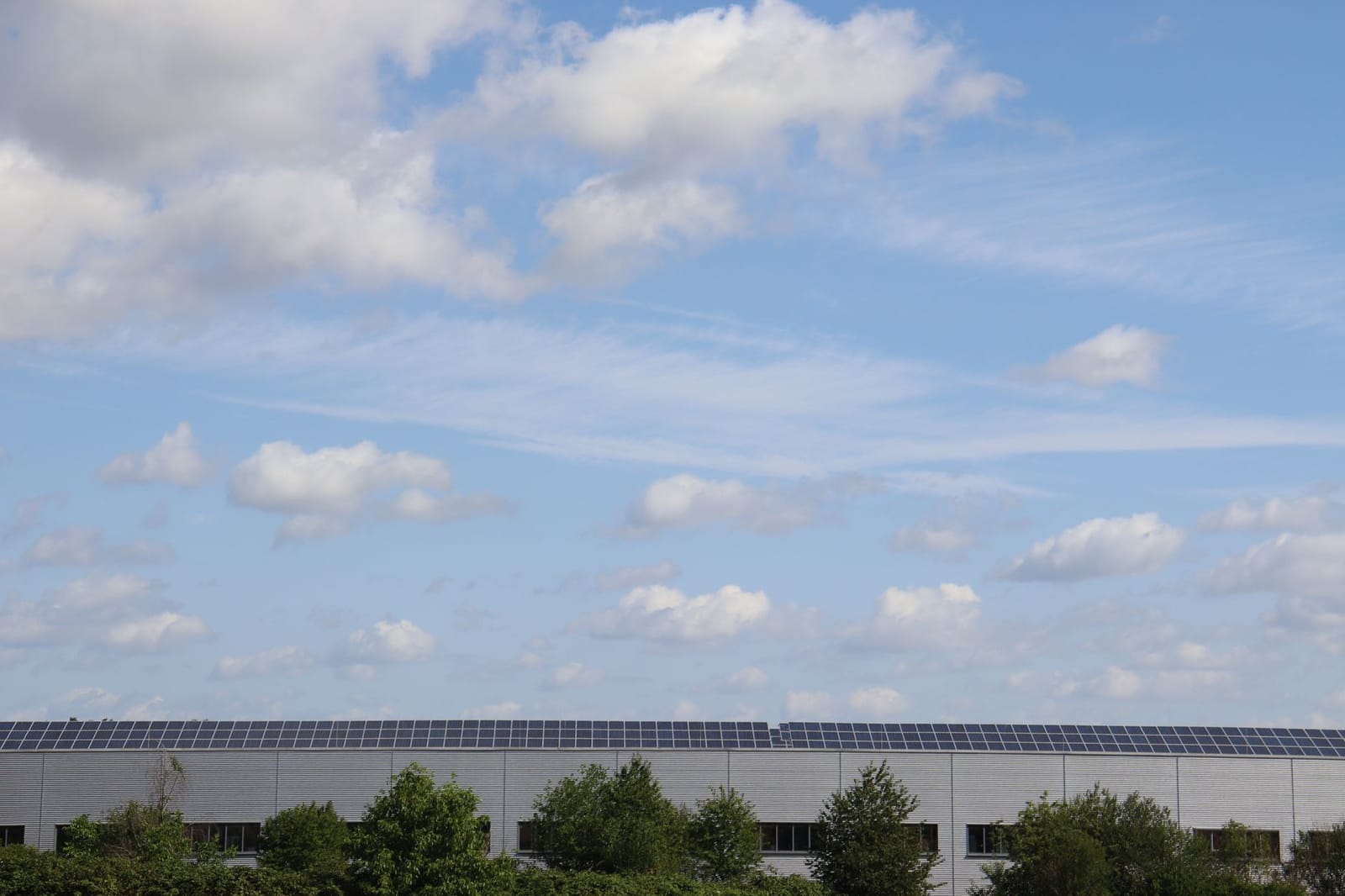
A Power Purchase Agreement, or PPA, is the route most business owners reach for when they want solar cutting their bills but cannot, or would rather not, spend the capital. It is genuinely useful, and it is also the most misunderstood of the funding routes, because the headline “no upfront cost, cheaper power” hides some real trade-offs on ownership, tax and lifetime return.
This guide explains what a PPA actually is, how the money works, where it fits and where it does not, and what happens at the end of the contract. It is written for the owner or FD weighing it against buying or financing the system, so it is honest about the long-term cost as well as the day-one appeal.
This is general information, not financial or tax advice. Confirm your own position, and read any contract carefully, before you commit.
What a solar PPA actually is
Under a PPA, a third-party funder pays for, installs, insures, owns and maintains a solar system on your roof or land at no capital cost to you. In return, you sign a long-term agreement to buy the electricity that system generates at an agreed price per unit, normally well below what the grid charges you.
The key word is “buy”. You are not buying the panels, you are buying the power they produce. The funder owns the asset for the life of the contract, typically 10 to 25 years, and recovers its investment through the price you pay per unit. Your existing grid connection stays in place for the power the system does not cover, and you carry on paying your normal supplier for that.
That single fact, the funder owns the asset, explains everything else about a PPA: why there is no upfront cost, why the funder keeps the tax relief and export income, and why the lifetime return to you is lower than owning. Hold on to it and the rest follows.
How the money works
The economics are simple to state. Your business grid electricity in 2026 costs roughly 26 to 32p per unit. A PPA offers you the solar-generated units at a rate below that, deal-specific but meaningfully cheaper, so every unit the system produces and you use saves you the difference between your grid rate and the PPA rate. Because there was no capital outlay, your energy cost falls from day one and the project is, in effect, cash-flow positive immediately.
What you give up is everything an owner would keep. The funder, as owner, claims the capital allowances, so the roughly 25p-per-£1 first-year tax relief that an owning business would get goes to the funder, not you. The funder also receives any Smart Export Guarantee income from power exported to the grid. And because the funder has to make a return on its capital, its margin comes out of savings you would otherwise keep in full. That is why, over the full 25-year life, a PPA delivers the lowest lifetime return of any route, even though it looks the cheapest on day one.
The honest way to frame it: a PPA buys you cheaper power and zero risk today, in exchange for a smaller slice of the total prize. Whether that is a good trade depends on your alternatives, which is exactly what the finance calculator is for.
The pros
- No capital outlay at all. Nothing is spent up front, so it does not touch reserves or your other credit lines.
- Cheaper electricity from day one. Your blended energy cost falls immediately, with no waiting for payback.
- The funder carries the risk. Maintenance, performance, insurance and repairs are the funder’s responsibility, not yours, for the life of the contract.
- A predictable, budgetable cost. You know the unit rate, often with a defined annual escalation, so it is easy to plan around.
The cons
- The lowest lifetime return. You never own the savings outright, so over 25 years a PPA returns less than buying or financing the system.
- A long contract to live with. Ten to twenty-five years is a serious commitment, and the terms bind your business and, often, the building.
- You forgo the tax relief and export income. The capital allowances and the SEG payments go to the funder, which for a profitable company is a real cost.
- Buy-out and exit terms need careful reading. What happens if you sell the building, or want out early, is defined in the contract and can be expensive if you have not planned for it.
When a PPA suits a business, and when it does not
A PPA is a strong fit when:
- You cannot or will not commit capital, and ownership genuinely does not matter to you.
- You want cheaper power now with no maintenance responsibility.
- You expect to stay in the building for the long term, so you actually enjoy the savings across the contract.
- You are not in a strong tax position, so the capital allowances an owner would claim are worth less to you than to the funder anyway.
It suits less well when:
- You are a profitable company that can use the Annual Investment Allowance in full, because you would be handing the funder a first-year tax relief worth roughly 25p per £1 that you could keep by owning.
- You want the maximum lifetime return and can access capital or finance.
- You may sell or vacate the building within the contract term, where the exit and building-sale provisions could bite.
- You want the flexibility that owning the asset gives you later.
If that last group sounds like you, the ownership routes are usually the better deal. A business or green loan or hire purchase lets you own the system and claim the relief while still paying monthly, often cash-flow positive from year one, which captures most of the PPA’s convenience without giving up the tax benefit.
PPA versus owning: the honest comparison
| PPA | Owning (cash, loan or HP) | |
|---|---|---|
| Upfront cost | £0 | Full, deposit, or none via a loan |
| Who owns the system | The funder | Your business |
| Who claims the tax relief | The funder | Your business |
| Who gets export income | The funder | Your business |
| Day-one cashflow | Positive immediately | Positive once financed, or after payback |
| Lifetime return | Lowest | Highest |
| Maintenance risk | The funder | Your business |
| Contract length | 10 to 25 years | None, or your finance term |
The pattern is consistent: a PPA trades lifetime value for day-one simplicity and zero risk. Neither is wrong, they answer different questions. Our finance options compared page lays every route out on the same measures so you can see where a PPA sits against the rest, and for the underlying return maths our sibling site on commercial solar payback and ROI goes deeper on how the numbers build.
End-of-term options
A PPA does not run forever, so it is worth knowing what happens when it ends. Depending on the contract, you typically have three options:
- Buy the system. Many PPAs include a buy-out option, either at set points during the term or at the end, at a price that reflects the asset’s residual value. From that point you own it outright and keep all the savings for the panels’ remaining life.
- Extend the agreement. You may be able to renew for a further period, continuing to buy the power at an agreed rate.
- Have the system removed. The funder takes the equipment away and restores the roof, if neither buying nor extending suits you.
Because these options, and their pricing, are defined in the contract you sign at the start, read them before you commit. The residual buy-out price in particular can make a large difference to the true lifetime cost of a PPA, so factor it into any comparison against owning.
Watch the contract detail
A PPA is a long legal agreement, and a few clauses deserve close attention: the annual price escalation applied to the unit rate, the minimum term and any early-exit penalties, what happens if you sell the building, the buy-out schedule and pricing, and who is responsible if the system underperforms. None of these are dealbreakers, but they are where the real cost lives, so treat the headline unit rate as the start of the assessment, not the end.
The bottom line
A solar PPA is a legitimate, useful route: it gets solar cutting your bills now, with no capital and no maintenance risk, which is exactly what some businesses need. The price of that convenience is the lowest lifetime return, a long contract, and the tax relief and export income going to the funder rather than to you.
For a business without capital, without a strong tax position, or unwilling to take on ownership, that trade is often worth making. For a profitable company that can borrow and use its allowances, owning the system usually wins comfortably. The way to know which camp you are in is to model both against your own bill.
Put your electricity spend into the finance calculator to see a PPA next to an owned, financed alternative, and check the cost and payback and ROI pages for the underlying figures. When you want costed PPA and finance numbers for your building, you can request quotes to compare a PPA against the ownership routes with real figures in front of you.
Related guides
Ready to move from theory to real numbers?
Free to use, no obligation
- 1. Tell us about the building, its electricity spend and how you would like to fund it.
- 2. We reply by email with the funding routes worth comparing for your building.
- 3. You decide. There is no obligation, and the routes compared on this site help you check any quote.
- Every route compared
- No upfront options
- No obligation
- Free to use