How to Finance Solar Panels for Your Business in 2026
Updated 1 July 2026 · SEO Dons Editorial
Editorial standards: figures are cross-checked against gov.uk capital-allowances guidance and Ofgem Smart Export Guarantee rates, and updated as rules change. We are independent, so no funder relationship influences these comparisons. General information, not financial or tax advice, confirm your position with your accountant.
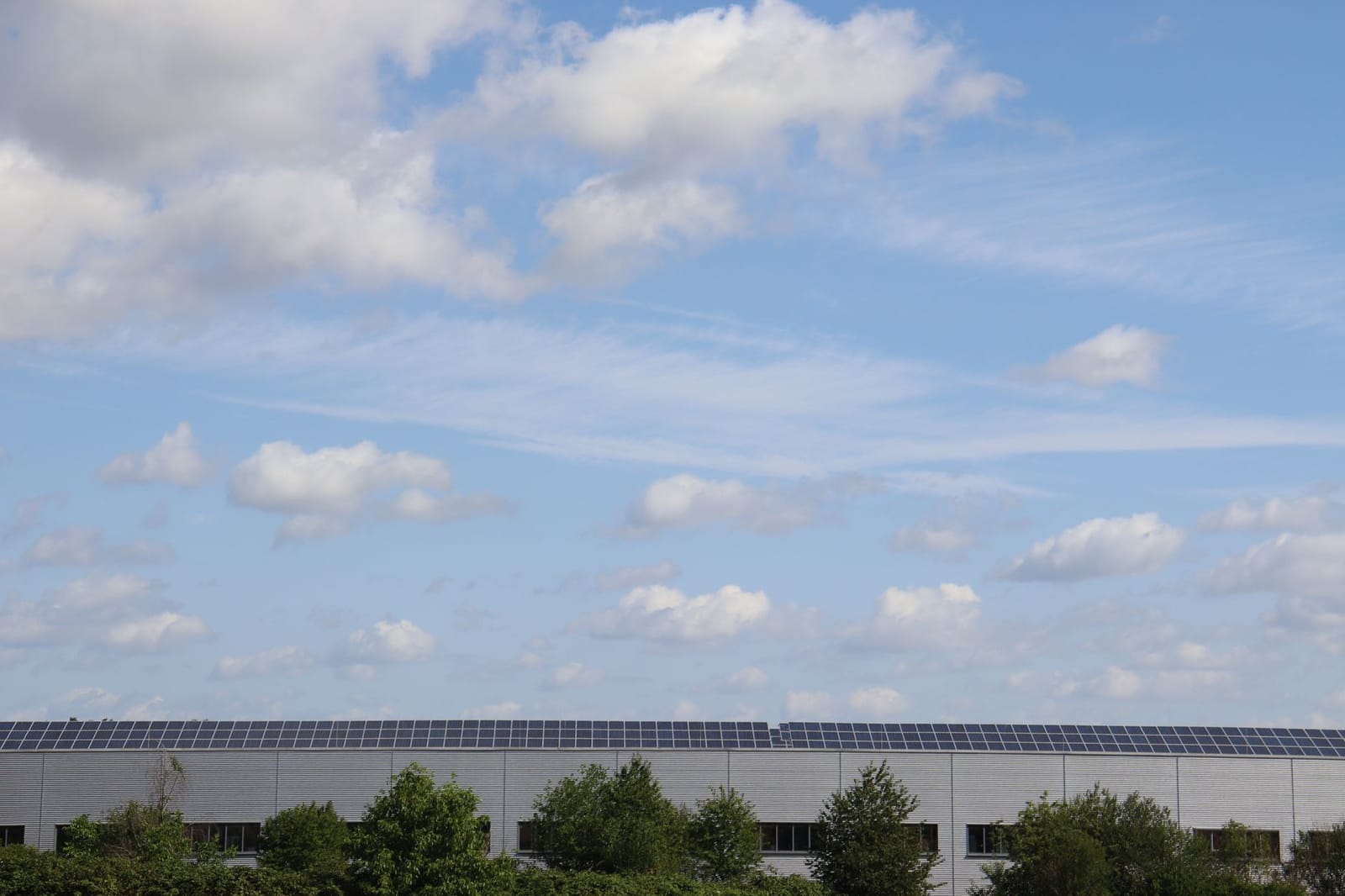
For most UK businesses the hard part of going solar is no longer whether it works, it is working out how to pay for it. The same rooftop system can be bought outright, spread over monthly instalments, funded with a loan, rented on a lease, or installed at zero capital cost by a funder, and each route lands very differently on your cashflow, your balance sheet, your tax bill and your lifetime return.
This guide walks through the six routes an owner actually chooses between, what each one does to your numbers, and the three questions that tell you which one fits. For every route side by side, start with the solar panel finance hub. It is written for the person signing the cheque, so it thinks in cashflow, capex versus opex, monthly repayment versus monthly saving, and corporation-tax relief.
This is general information, not financial or tax advice. Confirm your own position with your accountant before you commit.
The six routes at a glance
There is no single right answer, only the right answer for your cash position, your tax profile and how long you will hold the building. The six routes are:
- Buy outright from cash
- A business or green loan
- Hire purchase
- Asset finance
- An operating lease
- A Power Purchase Agreement (PPA)
The cleanest way to hold them in your head is this. Owning the system, whether from cash, a loan or hire purchase, keeps every pound of saving, the export income and the full tax relief, but ties up capital or adds debt. Letting a funder own it, through a lease or a PPA, needs little or no capital but hands those benefits to the funder. Finance sits in the middle, letting you own and claim the relief while paying from the energy the system saves.
1. Buy outright (capital purchase)
You pay the installed cost from your own reserves and own the system the day it is switched on. This is the highest-cost option on day one and the highest-returning over the system’s life, because there is no lender margin eroding the saving, so every unit you generate is worth its full value for twenty-five years or more.
The year-one capital allowance and, for VAT-registered firms, the reclaimed VAT bring the net cost down quickly. After the Annual Investment Allowance and any VAT reclaim, a well-matched system typically shows a simple payback of roughly four to six years, then generates for two decades more. The trade-off is opportunity cost: that cash is no longer available for stock, hiring or growth. The real question is whether the return on solar beats the return on the next best use of the money. More detail is on the buy outright page.
2. Business or green loan
You borrow the cash, buy the system outright and own it from day one, then repay the loan on its own schedule. Because you own the asset, you keep all the savings, the export income and the full capital allowances, while the loan interest is separately deductible. Whether a green-labelled loan beats a standard one is weighed in green loan vs business loan for solar.
A loan keeps the solar itself free of any finance ties, which can simplify matters if you later refinance or sell the site. Terms typically run three to fifteen years, priced off the Bank of England base rate plus a margin for your credit strength. Some lenders price energy-efficiency projects a little keener, though that is not universal, so it is worth asking and comparing a green product against standard business lending. See the business or green loan page for how the term affects cost.
3. Hire purchase
You put down a deposit set by the lender and pay fixed monthly instalments that include interest. The lender holds legal title until the final payment, and for tax you are normally treated as the owner, but roof-mounted panels are usually fixtures and the hire-purchase rule that treats every future instalment as spent at the outset does not apply to fixtures (HMRC CA23320), so agree with your accountant whether the allowance on the whole cost falls in year one. When the term ends, ownership passes to you for a nominal fee and the system keeps generating free of finance.
This is the popular middle path for owners who want ownership and relief but not a big cash hit. Terms are commonly two to seven years, and the fixed payments are easy to budget against. The trade-offs are that it sits on the balance sheet with a matching liability, you pay interest over the term, and you carry the maintenance and performance responsibility. The hire purchase page shows how deposit and term move the monthly figure.
4. Asset finance
Asset finance is the umbrella term for funding secured against the solar plant itself, delivered in practice as hire purchase or a finance lease by a specialist renewable or equipment-finance lender. Because the system is the collateral, you preserve your cash and your overdraft or other facilities for the rest of the business.
The important thing with asset finance is that the structure matters far more than the label. Whether you end up owning the asset, how it appears on your balance sheet, and who claims the allowances all hinge on whether the deal is written as HP or as a lease. Terms commonly run three to ten years, priced on your credit strength. Always read which structure you are being offered, because that, not the broker’s headline, determines your tax and ownership position. More on the asset finance page.
5. Operating lease
You pay a fixed monthly rental to use the system and the lessor keeps ownership; at the end you hand it back or extend. The tax and accounting rules behind that choice are worked through in our lease versus buy comparison for a UK company. The rentals are treated as ordinary running costs and come off your profit before tax, which historically kept the asset off the balance sheet entirely.
Two caveats matter. First, accounting rules have tightened, so most leases now appear on the balance sheet, and off-sheet status should be confirmed with your accountant rather than assumed; the 2026 accounting change is covered in solar panel leasing for business. Second, because the lessor owns the asset, they keep the capital allowances, and you never own the system or its later free power, so the total lifetime cost is usually higher than owning. A lease suits owners who prioritise a clean, predictable monthly cost over ever owning the kit. See the operating lease page.
6. Power Purchase Agreement (PPA)
Under a PPA a third party funds, installs, insures and maintains the system on your roof at no cost to you, and you sign a long-term agreement to buy the electricity it produces at an agreed price per unit, normally well below your grid rate. Your energy bill falls from day one with nothing spent up front, and the funder carries the maintenance and performance risk.
The trade-off is the lowest lifetime return of any route, because the funder’s margin comes out of your saving, plus a long contract of typically 10 to 25 years and forgone tax relief and export income. On-site PPA rates are deal-specific but typically sit well below a 2026 business grid price of roughly 26 to 32p per unit, giving an immediate saving with no capital. The buy-out and early-exit terms need careful reading. It is the simplest way to get solar working now if you cannot or would rather not commit capital. Read more on the Power Purchase Agreement page.
Route comparison at a glance
| Route | Upfront cost | Who owns it | You claim tax relief | Best when |
|---|---|---|---|---|
| Buy outright | Full | You | Yes | You have cash and want the maximum return |
| Business or green loan | None | You | Yes | You want ownership without draining cash |
| Hire purchase | Deposit | You, at the end | Yes | You want ownership with a spread cost |
| Asset finance | Low or none | Depends on structure | Usually | You want to protect other credit lines |
| Operating lease | None to low | The lessor | No | You prefer a clean, expensed monthly cost |
| PPA | £0 | The funder | No | You will not commit capital and want cheaper power now |
You can model any of these against your own consumption on the finance calculator, or see them side by side on the finance options compared page.
The tax picture, and why it decides the answer
Tax often tips the balance, so it pays to understand the rules before you sign anything. Solar PV is special-rate plant for capital allowances. That means it does not qualify for 100% full expensing or the 40% first-year allowance, both of which are main-rate only, a point widely got wrong in the market. It does qualify for the Annual Investment Allowance, which gives 100% first-year relief on up to £1m of qualifying spend a year, and that covers the great majority of business installs. Above the cap, companies can claim the 50% special-rate first-year allowance, with the balance written down at 6% a year.
Ownership is the hinge. On a buy-outright, loan, hire purchase or most asset-finance deals you own the asset and can claim these allowances. On an operating lease or a PPA the funder owns the system, so the allowances and the export income are theirs, not yours. For a profitable company that can use its AIA in full, that year-one deduction can make an ownership route clearly the better deal, which is exactly why “which route” and “what tax” have to be answered together. The full detail is in our capital allowances explained guide.
The three questions that tell you which route
Cut through it with three questions:
- Do you want to own the system? If yes, favour buying outright, a green loan, hire purchase or asset finance so you keep the savings, the export income and the allowances. If ownership does not matter, a PPA or lease removes the outlay and the maintenance burden.
- What does your cashflow allow? If reserves are tight, a no-upfront structure lets solar pay for itself from savings. If you have cash and want the best long-term return, buying outright wins. Our no-upfront-cost solar for business guide covers the zero-capital options in detail.
- What is your tax position? A profitable company that can use the AIA in full gets a strong first-year deduction from an ownership route, which can tip the balance decisively away from a PPA.
Model it before you commit
The differences in total cost between routes can be significant, so it is worth comparing real figures rather than deciding on instinct. Put your actual annual electricity spend and unit price into the finance calculator and it shows the monthly finance or PPA cost next to the projected monthly saving, so you can see the net cashflow in year one rather than trust a generic promise. The cost page shows typical system prices to start from.
When you have modelled the routes and want firm numbers for your building, an installer can return a costed quote. When you are ready, you can request a costed quote.
Related guides
Ready to move from theory to real numbers?
Free to use, no obligation
- 1. Tell us about the building, its electricity spend and how you would like to fund it.
- 2. We reply by email with the funding routes worth comparing for your building.
- 3. You decide. There is no obligation, and the routes compared on this site help you check any quote.
- Every route compared
- No upfront options
- No obligation
- Free to use