Retail & Hospitality
How UK retail and hospitality fund solar: capital purchase, hire purchase, PPA and leasing, plus AIA relief, local grants and SEG.
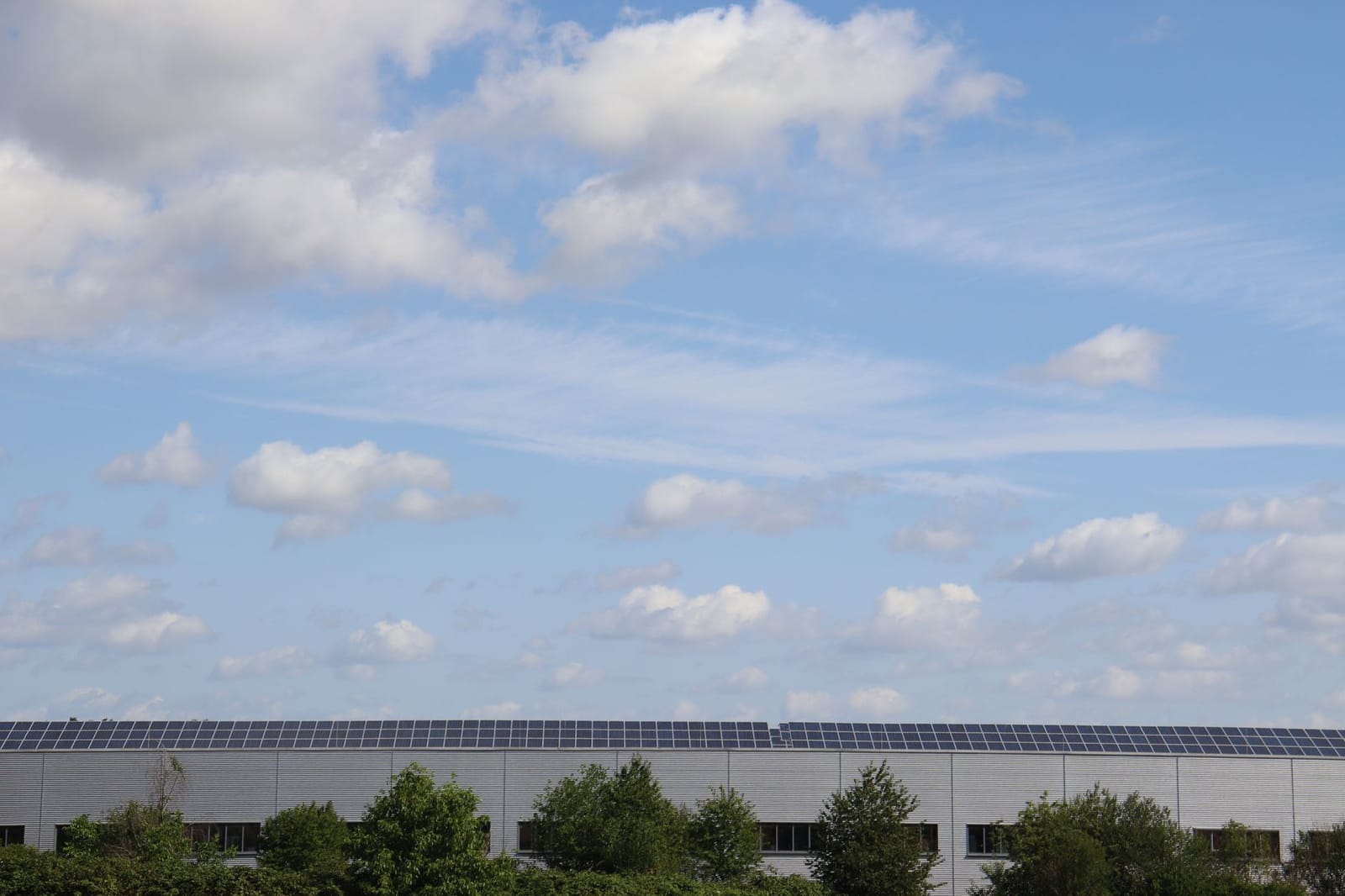
Retail and hospitality businesses, shops, supermarkets, hotels, pubs, restaurants, cafes and leisure sites, share a useful trait for solar: their electricity demand largely coincides with daylight trading hours. Refrigeration, lighting, kitchens, cooling and point-of-sale run through the day, which lifts self-consumption and improves the returns. Systems here are typically smaller than in heavy industry, commonly 30 to 150 kW with project values between £25,000 and £130,000, and the sector’s defining feature for funding is that many operators run multiple sites and lease rather than own their premises.
Why the routes land differently for retail and hospitality
The economics still turn on self-consumption. A unit used on site, powering the chillers, the kitchen or the air conditioning, displaces grid import at roughly 26 to 32p, worth roughly double, or more, what an exported unit earns at 3 to 15p. Because trading hours and generation hours overlap well, a hospitality or retail system often achieves solid self-consumption and a simple payback of around four to seven years before tax relief. But two sector realities shape which route fits: tighter margins and cashflow sensitivity, and the fact that premises are frequently leased. Where they are, the lease decides who can install panels and who benefits, which many landlords and tenants now agree in a green lease.
The main routes, from a retail or hospitality operator’s position:
- Buy outright gives the best lifetime return and full first-year relief, but hospitality and retail cashflow rarely leaves that much capital free.
- Hire purchase fits margin-sensitive operators well: a deposit then fixed instalments, ownership at the end, and the capital allowances, paid from the energy saving.
- An operating lease rents the system for a fixed monthly cost, which suits operators who value a clean, predictable running cost over owning the asset, though the lessor keeps the allowances.
- A Power Purchase Agreement needs no capital and works where premises are leased or capital cannot be committed: cheaper power from day one, with the funder owning the asset and carrying the maintenance.
- Asset finance and a business or green loan are also open to owner-occupiers who want to own the system and claim the relief while paying over time.
Because margins are tight, the year-one net cashflow, the monthly saving minus the monthly payment, is the number that matters most. The finance calculator shows it for your actual bill, and the finance options comparison lines the routes up on ownership, balance-sheet treatment and who claims the relief, which is especially useful for a multi-site operator weighing lease versus own.
The grants and reliefs that actually apply to retail and hospitality
There is no single national solar grant for this sector, but the tax reliefs are real and there is a realistic local-grant angle.
- Annual Investment Allowance gives 100% first-year relief on qualifying plant up to £1m a year, and it is available to sole traders, partnerships and companies alike, which suits the range of structures in hospitality and retail. As most installs here are modest, the whole system can usually be relieved in year one.
- Growth Hub and regional business grants are the most realistically accessible grant route for an SME retailer or hospitality operator, but be clear-eyed: there is no single national scheme, it is a patchwork of intermittent, region-specific pots that open and close within weeks, and many cover only advice or audits rather than solar capital. From April 2026 the £1.5bn Local Growth Fund is adding to this, but it is restricted to 11 Mayoral Strategic Authority areas, so most of the country is not covered. Check the GOV.UK “Find a grant” service and your local Growth Hub for a live round before relying on it.
- Business rates exemption matters for high-street and leisure premises: qualifying rooftop solar for self-consumption is 100% exempt from business rates in England to March 2035, so it will not raise your rateable value in that window.
- VAT at 20% on the install is reclaimable if the business is VAT-registered, a timing item rather than a real cost.
- The Smart Export Guarantee pays per unit for exported surplus on systems up to 5 MW. For a well-matched retail or hospitality load, export is a modest top-up rather than the main benefit, and the income is taxable.
The fastest way to see which of these genuinely fit your business, and to avoid the domestic and public-sector schemes that do not apply, is the funding finder.
What this means for a retail or hospitality operator’s decision
If you own your premises and can spare the capital, buying outright captures the most value. Where margins are tight or you run several sites, hire purchase lets you own the system and claim the capital allowances while paying from the saving, and an operating lease offers a clean, fixed monthly cost if you would rather not own the asset. Where premises are leased or capital cannot be committed at all, a PPA delivers cheaper power from day one with no upfront cost and no maintenance responsibility.
For a multi-site operator, model one representative site first, then roll the winning structure out across the estate. Whichever route you choose, confirm the tax position with your accountant, check for any live local grant before you rely on one, and request costed quotes once the numbers stack up for your premises.
Grants & reliefs that apply to retail & hospitality
Not sure which fits? Check what your business qualifies for, model the numbers, then get costed quotes.