Agriculture & Farms
How UK farms fund solar: capital purchase, hire purchase, asset finance and PPA, plus the Farming Investment Fund reality, AIA relief and SEG.
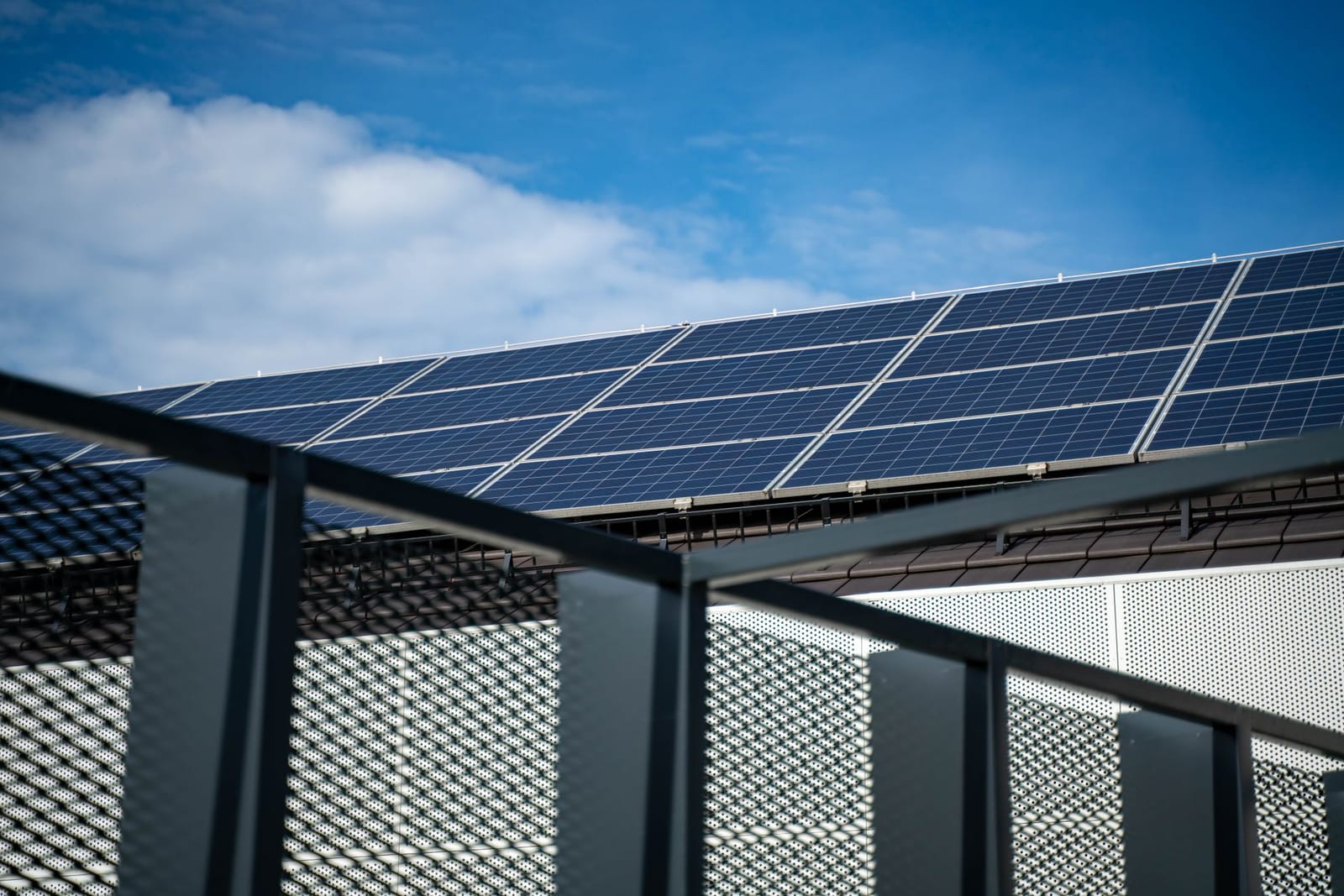
Farms are one of the better-suited businesses for solar, because agricultural operations often have significant daytime and seasonal electricity demand, refrigeration, grain drying, milking parlours, ventilation, irrigation and horticultural lighting, that pairs well with generation. The funding question for a farm business is how to pay for a system typically in the 50 to 250 kW range, valued somewhere between £40,000 and £200,000, when farm cashflow is seasonal and capital is often committed to land, stock and machinery.
Why the routes land differently for a farm business
The economics turn on self-consumption. A unit used on the farm displaces grid import at roughly 26 to 32p, worth roughly double, or more, what a unit exported at 3 to 15p earns, so the more of your own power you use, the faster the payback. A well-matched farm system commonly shows a simple payback of around five to seven years before tax relief, shortening once first-year allowances cut the net cost. Sole traders and partnerships, common structures in farming, matter here, because it changes which reliefs apply.
The main funding routes, viewed from a farm’s position:
- Buy outright delivers the highest lifetime return and full first-year relief, but few farms want to commit that much working capital at once.
- Hire purchase suits the seasonal cashflow well: a deposit then fixed instalments, ownership at the end, and you still claim the year-one allowance on the full cost now.
- Asset finance secures the borrowing against the solar equipment itself, keeping your agricultural machinery finance and overdraft lines free.
- A business or green loan funds an outright purchase so you own the system from day one and repay separately.
- A Power Purchase Agreement needs no capital at all, but the funder keeps the asset, the allowances and the export income, so the lifetime return is the lowest.
Because farm demand is seasonal, modelling matters more than a generic promise. Put your actual annual electricity spend and unit price into the finance calculator to see the monthly finance or PPA cost against the projected saving, and use the finance options comparison to weigh ownership, balance-sheet impact and who claims the relief.
The grants and reliefs that actually apply to farms
Be honest about farm grants, because this is where marketing most often overstates the position.
- The Farming Investment Fund and its Farm Productivity grants have funded solar in the past, but only when the solar was integrated with productive farming activity, such as powering refrigeration or grain drying, never a standalone solar farm. Crucially, the solar-relevant round (Improving Farm Productivity) and the separate FETF small-equipment fund are shown as closed on gov.uk, and the scheme is in transition for 2026-27, with a successor Capital Grants offer scheduled to open in July 2026 whose solar eligibility was not confirmed at the time of checking. It is England-only and farm-business-only. Treat any “still open, rolling rounds” claim with caution and verify the live window on gov.uk before relying on it.
- Annual Investment Allowance gives 100% first-year relief on qualifying plant up to £1m a year, and it is available to sole traders and partnerships as well as companies, which suits many farm structures. Most farm installs sit well under the cap, so the whole system can usually be relieved in year one.
- Business rates exemption means qualifying rooftop solar for self-consumption is 100% exempt from business rates in England to March 2035, so it will not raise your rateable value in that window.
- VAT on a commercial farm install is standard-rated at 20% and reclaimable if the farm business is VAT-registered.
- The Smart Export Guarantee pays you per unit for surplus power exported, on systems up to 5 MW, which comfortably covers any farm array. For a business, that export income is taxable trading income.
If your farm is in Scotland or Wales, note there are dedicated devolved business energy loans and grants that farms in England cannot access, so the picture differs by nation. The quickest way to see which schemes genuinely fit your holding is the funding finder.
What this means for a farm’s decision
If your farm has strong year-round demand and can spare the capital, buying outright or via a green loan returns the most over the array’s life. Where cashflow is tight or seasonal, hire purchase or asset finance let you own the system and claim the capital allowances while paying from the energy it saves, spreading the cost across better and leaner months. A PPA is the route where no capital can be committed, trading a lower lifetime return for zero upfront cost and no maintenance responsibility, which can suit a busy farm.
Do not build the business case on a grant that may no longer be open. Model the funding routes against your own bill first, keep any Farming Investment Fund possibility as a bonus to verify rather than a foundation, confirm the tax position with your accountant, and request costed quotes when the numbers work for your site.
Grants & reliefs that apply to agriculture & farms
Not sure which fits? Check what your business qualifies for, model the numbers, then get costed quotes.